
The Symbolism of the Photographs
No Longer HumanTraces the meaning of the three photographs of Yozo, which serve as a visual summary of his transformation from child to ghost.
increasing Bearing strength in each event
 decreasing
Bearing strength in each eventdecreasingThe First Photograph
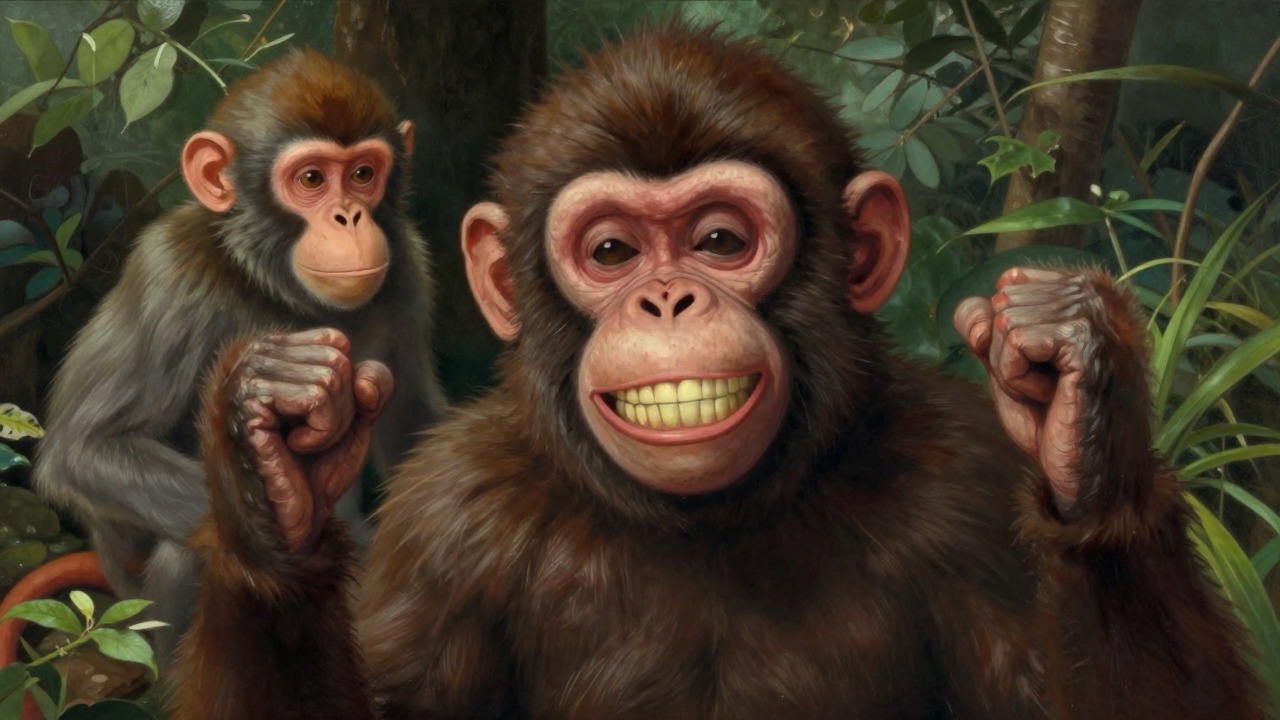
The Monkey Face
The Ugly Smile
Yozo stands in a garden, head tilted, teeth bared. The narrator sees a monkey, not a child. The smile is a grimace of fear.
The Hidden Horror
The clenched fists reveal that this is not a real smile. It is a performance. The photograph captures the birth of the clown.
The Foreboding
The image is a prophecy of the life of shame to come.
The Second Photograph
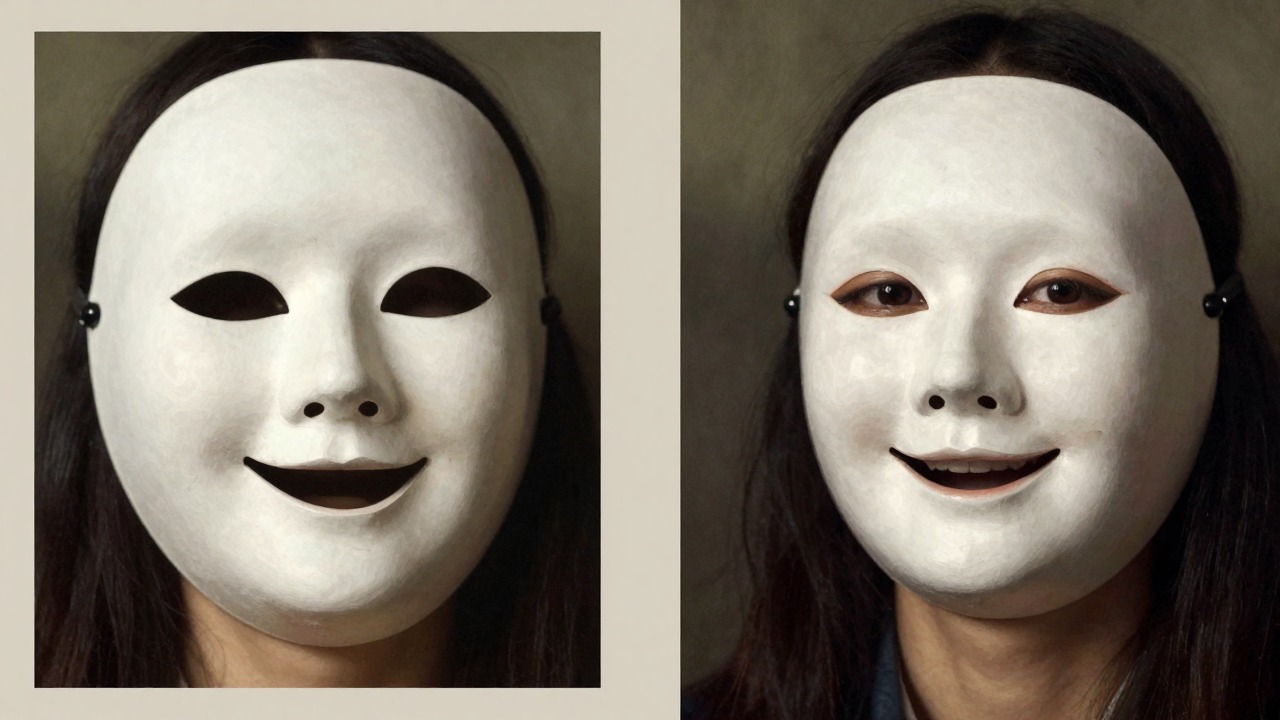
The Handsome Mask
The Artificial Smile
Yozo is now handsome, but the smile is a blank sheet of paper. It has no substance, no life. It is a pretense.
The Lack of Humanity
He looks like a dandy, but there is something strangely unpleasant. The narrator feels baffled.
The Lost Soul
The photograph is a symbol of Yozo's alienation: he looks human, but he is not.
The Third Photograph
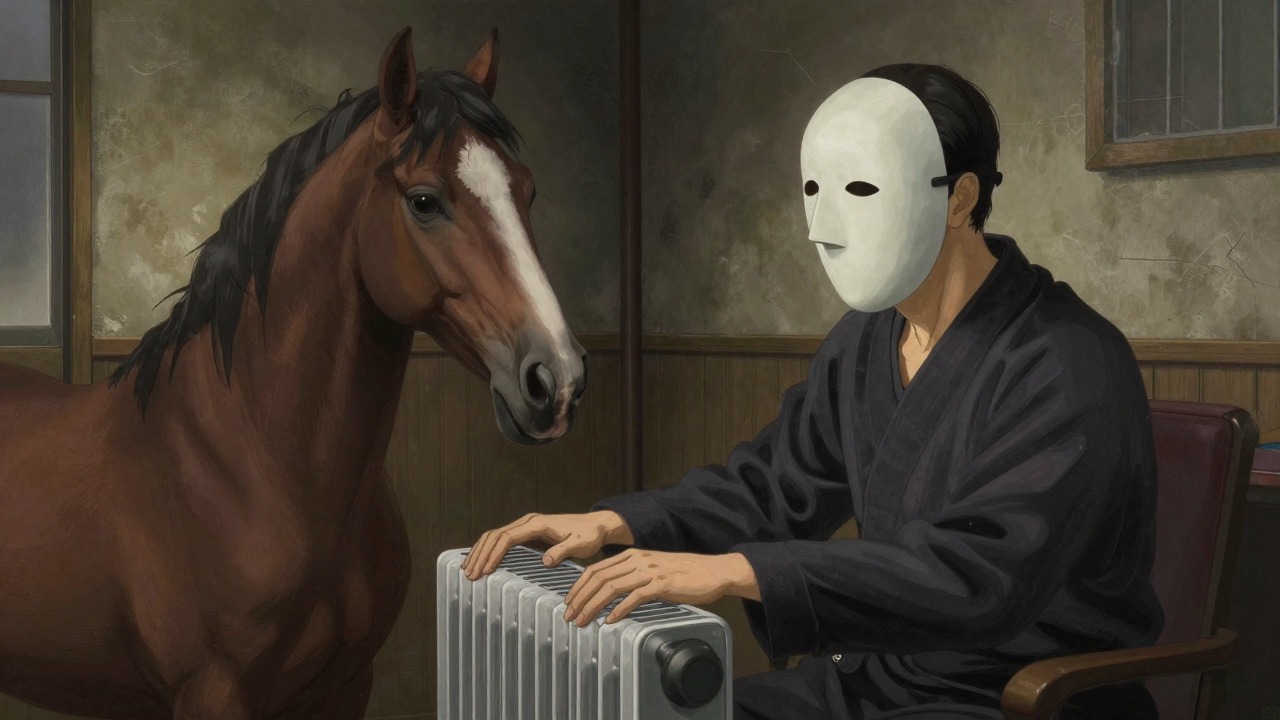
The Death Mask
The No Expression
Yozo sits in a dirty room, hands over a heater. His face is utterly blank. It is as if he is already dead.
The Forgettable Face
The narrator cannot remember it. It has no individuality. It is a human body with a horse's head.
The Final State
This is Yozo as a reject: a ghost, a being without identity. The photograph completes the trajectory of his dehumanization.
age about ten
student days, high school or college
later, perhaps in his twenties
